Diani Beach and a Kenya safari combine well for travellers who like both wildlife and salt air. The Diani Beach safari combination best months follow Kenya’s two dry seasons: January to March for hot, settled coastal weather, and July to October for peak wildlife viewing. Your own priorities decide which one wins.
What Are the Diani Beach Safari Combination Best Months?
January to March or July to October gives the best all-round mix. January and February offer hot, settled beach weather and dry safari conditions. July to October brings excellent wildlife viewing and cooler coastal weather. September and October often balance strong safari quality, lighter crowds and improving sea conditions.
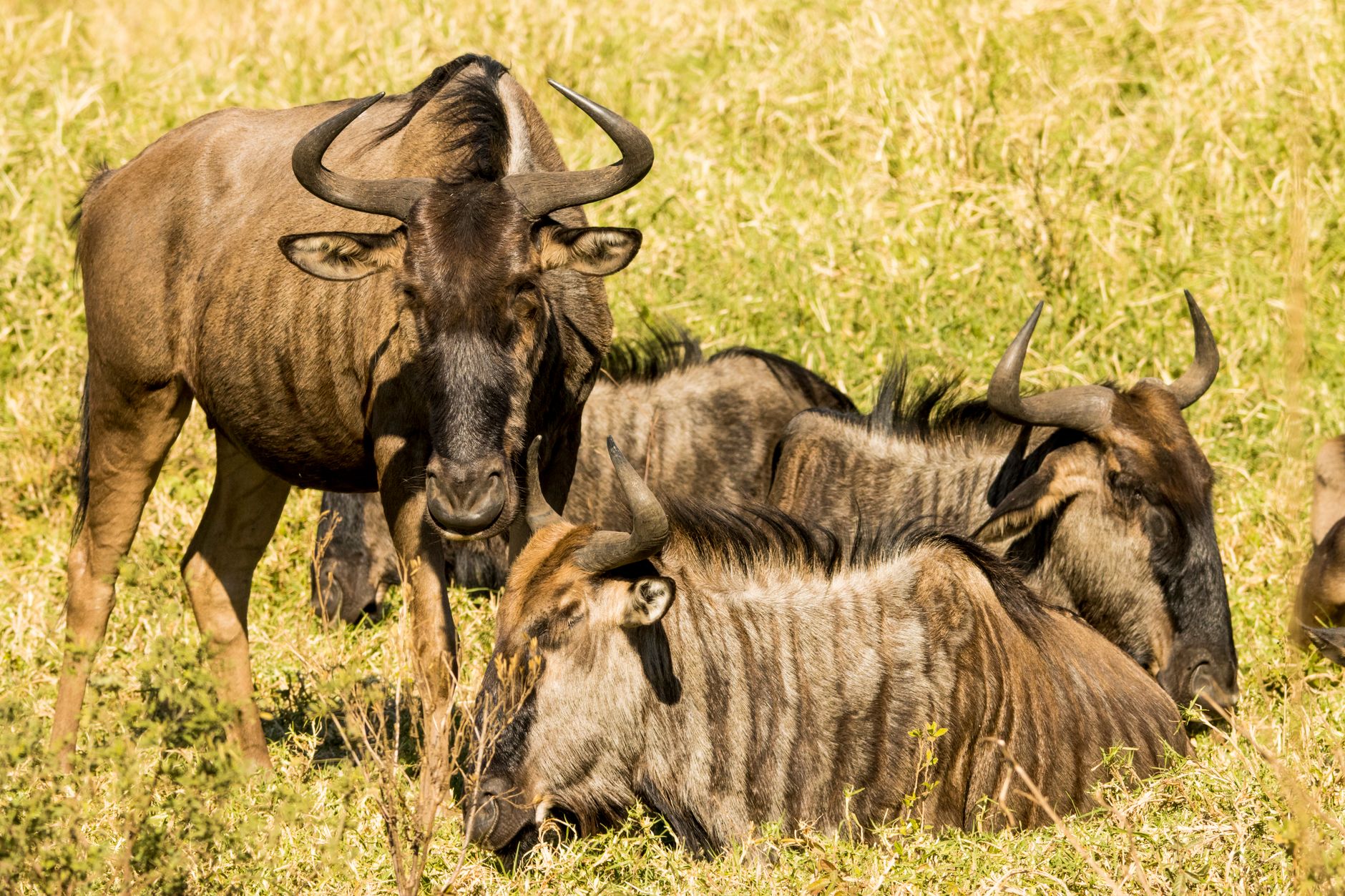
Why not one single answer? Because every traveller weights different factors. The Maasai Mara is at its strongest from July to October when the wildebeest migration is present. Tsavo and Amboseli are also good in January to March. On the beach, January feels different from July. The two blocks match the two main dry seasons in Kenya, but ocean temperatures and wind shift independently of wildlife.
How Does Diani Beach Weather Differ From Safari Weather Inland?
Coastal weather and safari weather are not the same. Diani follows monsoon winds and sea currents more than inland parks do. That means the beach can be windy, cloudy or wet while Tsavo stays dry. This explains why some months are great for animals but not for snorkelling, and the reverse.
Many travellers treat Kenya as one weather zone. It is not. Diani sits on the Indian Ocean, while Tsavo, Amboseli and the Mara sit inland at different elevations.
In an average year, the southeast monsoon, often called kusi, arrives around June. It brings cooler air and a steady breeze to the coast. That breeze can make the sea feel fresh and can reduce visibility for snorkellers. From around December to March, the northeast monsoon usually brings warmer air, lighter winds and calmer water.
Inland, those dates do not line up neatly. The dry season that opens the Mara in July is already in full swing in Tsavo by June. That is why you should check both layers separately. The best time to visit Diani Beach for calm sea is not always the best time for the Mara. For tides, snorkelling spots and family options, our Diani Beach guide is a useful starting point.
What Does the Month-by-Month Picture Look Like?
Across the full year, four blocks matter. January to March is hot and mostly dry. April and May are the wettest and weakest months. June to October is cool, breezy and dry. November and early December are changeable but quieter. This rhythm applies to Tsavo, Amboseli and most coastal itineraries.
| Period | Safari conditions | Diani Beach conditions | Best for |
|---|---|---|---|
| January to early March | Dry and warm; Tsavo and Amboseli are good; the Mara is quieter than in peak summer | Hot, sunny, light winds, warm sea | Sun lovers, families, first timers |
| Late March to May | Long rains set in; tracks can get muddy and grass grows tall | Wettest season; sea can be rough; some beach services slow down | Flexible budget travellers only |
| June | Transition month; rain fades and parks green up | Cooler, with southeast winds rising | Travellers who prefer low crowds |
| July to October | Peak dry season; wildlife concentrates near water; the Mara is at its busiest | Breezy with kusi winds; swimming still works, snorkelling can vary | Wildlife-focused travellers |
| November to early December | Short rains; greener scenery and fewer visitors | Warm as winds ease; showers often pass quickly | Value seekers and photographers |
| Mid December to January | Dry, busy and warm everywhere | Warm and busy; higher rates over the holidays | Holiday travellers who book early |
Use the table as a direction, not a forecast. Storms can appear in any season, and local forecasts should override averages. Still, the table gives a clear sense of what to expect from Diani Beach weather by month.
When Should You Avoid a Diani Beach Safari Combination?
April and May are the months to avoid if reliable beach and safari weather matter most. The coast receives heavy rain, seas can be rough, and safari tracks can turn muddy. November is changeable but still workable for budget travellers who can adjust plans.
Low season has a place. Some lodges cut prices, and the Mara is less crowded. But those benefits disappear if your beach days are rained out or your safari vehicle spends hours stuck in mud. On a first trip to Kenya, dependable weather usually matters more than saving money. A flexible traveller with no fixed dates can make April or May work. A first-time visitor probably should not.
June is a quieter compromise. Inland parks can still be productive, and the crowds of July have not arrived. It sits between seasons, so check the forecast carefully before you book.
Which Safari Parks Pair Best With Diani Beach by Season?
Tsavo East and Tsavo West are the most practical choices because they sit relatively near Diani and work well from January to March and June to October. Amboseli offers Kilimanjaro views but needs more travel time. The Maasai Mara is at its best from July to October and demands flight planning.
Tsavo East and Tsavo West are the most straightforward pairings. Both can be reached by road from the coast in less time than the Mara. A Tsavo safari from Diani Beach works well during the dry months, and families can combine a few nights inland with family-friendly Tsavo camp activities. In Tsavo’s open country, the benefits of a private Tsavo safari guide are easy to appreciate, because finding wildlife across broad landscapes is a skill.
Amboseli is the classic Kilimanjaro park, but it is not as convenient from Diani. It usually means a longer road loop or a connecting flight. The Amboseli safari guide explains route options if you want to compare.
Maasai Mara and Diani Beach pair best by air. Fly between the coast and the Mara, enjoy the wildebeest season if your dates overlap, and then return for beach time. Use the Maasai Mara guide for flight and camp planning, and include the current Maasai Mara conservation levy in your budget. For migration timing, start with the best time to visit the Maasai Mara.
How Many Days Do You Need for a Kenya Safari and Beach Holiday?
For a balanced first trip, plan on seven to nine nights. Spend three to five nights on safari and three to four nights in Diani. A focused Tsavo loop works well with three safari nights. A Mara or multi-park route needs four or five safari nights to justify the travel.
This structure suits almost every first-timer because it keeps transfers short and ends with rest. A three-night Tsavo route plus three nights in Diani gives about a week. Add an extra Diani night if flights are late and you want a buffer. Families with children often prefer at least four nights at the coast. For a full Kenya safari and beach holiday with the Mara, be ready for an internal flight and at least nine nights.
Cost is another reason to keep the structure simple. The Kenya safari cost guide lays out typical ranges for camps, park fees and flights.
Should You Choose January-March or July-October?
Choose January to March if hot, calm beach weather is your priority and you want solid but not peak-season wildlife. Choose July to October if exceptional dry-season safari viewing matters more and you can accept cooler, breezier Diani. September or October is the compromise.
What about November and early December? If you can live with uncertainty, that window can offer quieter camps and greener scenery, sometimes at lower rates. But it is not a direct substitute for peak season. The same is true of June. Use the shoulder months if saving money matters more than perfect conditions.
An operator can turn these trade-offs into a workable route. To compare safari operators and browse packages, start with FindMySafari or Valley Safaris. You can also book directly with us at touringinsights.com.
Where Can You Find More Safari Planning Resources?
- Bush and beach safari from SafariPure
- Best time to visit Kenya month-by-month map from Valley Safaris
- Diani Beach guide on FindMySafari